Kinmen Island: Cold War Battlefields and Minnan Architecture
Step back in time. Explore Kinmen's surreal military tunnels, anti-landing spikes, and perfectly preserved traditional clan villages.
TL;DR / Quick Summary
Step back in time. Explore Kinmen's surreal military tunnels, anti-landing spikes, and perfectly preserved traditional clan villages.
Located less than 2 kilometers (1.2 miles) from the coastline of mainland China, the Taiwanese island of Kinmen (Quemoy) offers a travel experience unlike anywhere else in East Asia.
Because it served as the heavily fortified frontline during the Cold War tensions between Taiwan and China, it was essentially closed off from modern commercial development for decades. The result? A perfectly preserved island where surreal military fortresses sit right next to gorgeous, centuries-old traditional villages.
Here is your guide to exploring the unique contrasts of Kinmen.
The Battlefield Heritage
Kinmen was bombarded with nearly half a million artillery shells during the 1958 Taiwan Strait Crisis. Today, the island has transformed its scars into fascinating historical parks.
1. The Zhaishan Tunnel (翟山坑道) This is arguably the most impressive military site on the island. Soldiers blasted an A-shaped waterway directly through solid granite to create a massive underground harbor. Small naval resupply boats could sail directly into the mountain to hide from artillery fire. Today, you can walk along the illuminated rock walls as the crystal-clear water reflects the stunning engineering. (In autumn, they even host a classical music festival inside the tunnel!).
2. Anti-Landing Spikes and Broadcasting Walls Walk along the beaches at low tide, and you will see rows of sharp iron rails sticking out of the sand—these were designed to impale invading landing crafts. Nearby, you can visit the Beishan Broadcasting Wall, a massive, concrete structure holding 48 giant speakers that used to blast psychological warfare propaganda across the ocean to China.
3. Kinmen Knives What did the locals do with the thousands of Chinese artillery shells that crashed into their island? They forged them into world-class chef's knives! Visiting a local "Maestro Wu" knife forge to watch a master blacksmith turn a piece of artillery shell into a razor-sharp cleaver is a must-do.
Traditional Minnan Architecture
Because Kinmen was under strict military rule, it avoided the rapid urbanization that demolished old buildings on Taiwan's main island. It boasts the best-preserved Minnan (Southern Fujianese) architecture in the world.
Shuitou and Shanhou Folk Culture Villages These settlements feature distinct "swallowtail" curved roofs, intricately painted tiles, and horseshoe-shaped courtyards. In the late 19th and early 20th centuries, many Kinmen men traveled to Southeast Asia to work. When they became wealthy, they returned home and built lavish mansions that blended traditional Chinese styles with Western colonial elements (such as Roman columns and Baroque carvings).
You can even book a stay in one of these historical mansions, as many have been converted into stunning heritage guesthouses.
Don't Forget the Kaoliang
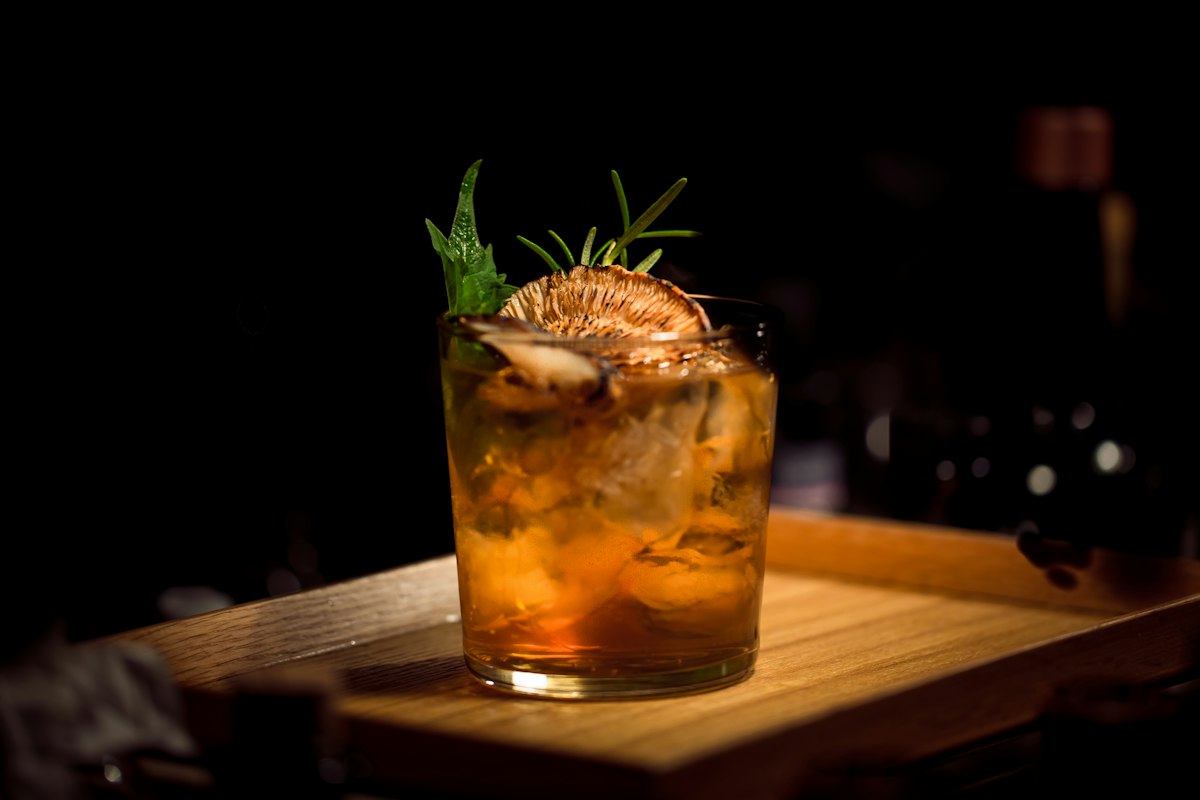
Kinmen's extremely dry, windy climate is terrible for farming vegetables, but perfect for growing sorghum. This grain is used to produce Kinmen Kaoliang Liquor, a highly potent (usually 58% ABV) clear spirit that is Taiwan's undisputed national liquor.
Drink a shot to warm your chest, eat some local beef jerky, and soak in the surreal history of the frontline.